
LITTLE HOUSE IN THE BIG WOODS
Reading Plan
Chapter 1: Little House in the Big Woods
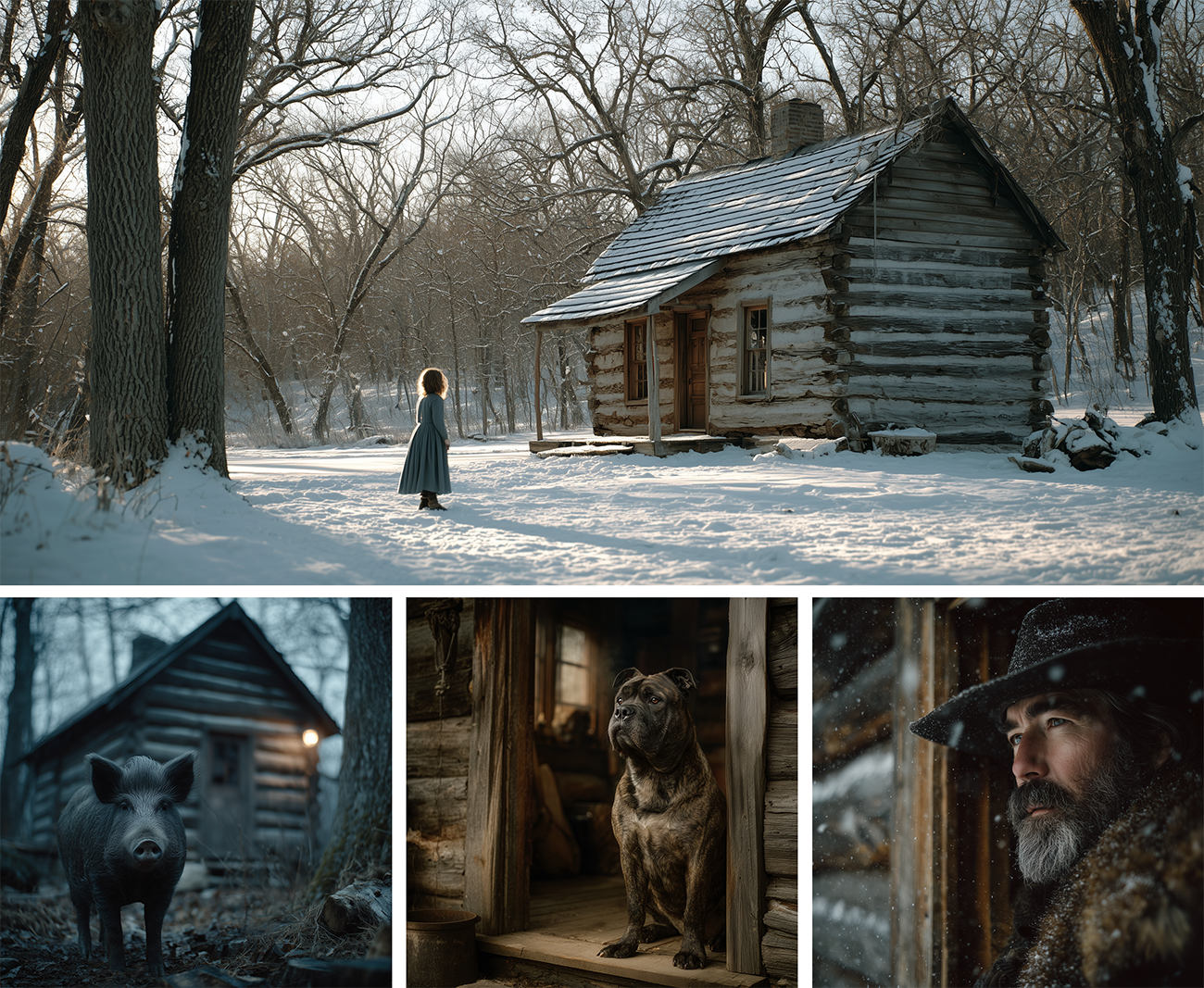
Deep in the Wisconsin woods…
… A small log cabin glows against the dark trees. Inside, the Ingalls family works and prepares for winter, surrounded by warmth and wilderness.
In Chapter 1, Laura Ingalls Wilder draws us into a world where danger and comfort live side by side — where Pa butchers the pig for winter meat, Ma renders the fat into cracklings, and little Laura watches wide-eyed as the forest comes alive with secrets.
It’s more than a peaceful day in the woods; it’s the beginning of an adventure — a glimpse of frontier life both wild and wonderful, where hard work fills each day and every night ends with the comfort of home. Welcome to our Little House adventure!
To keep up with other readers, you can join the Facebook group discussion here.
Chapter 2: Winter Days and Winter Nights
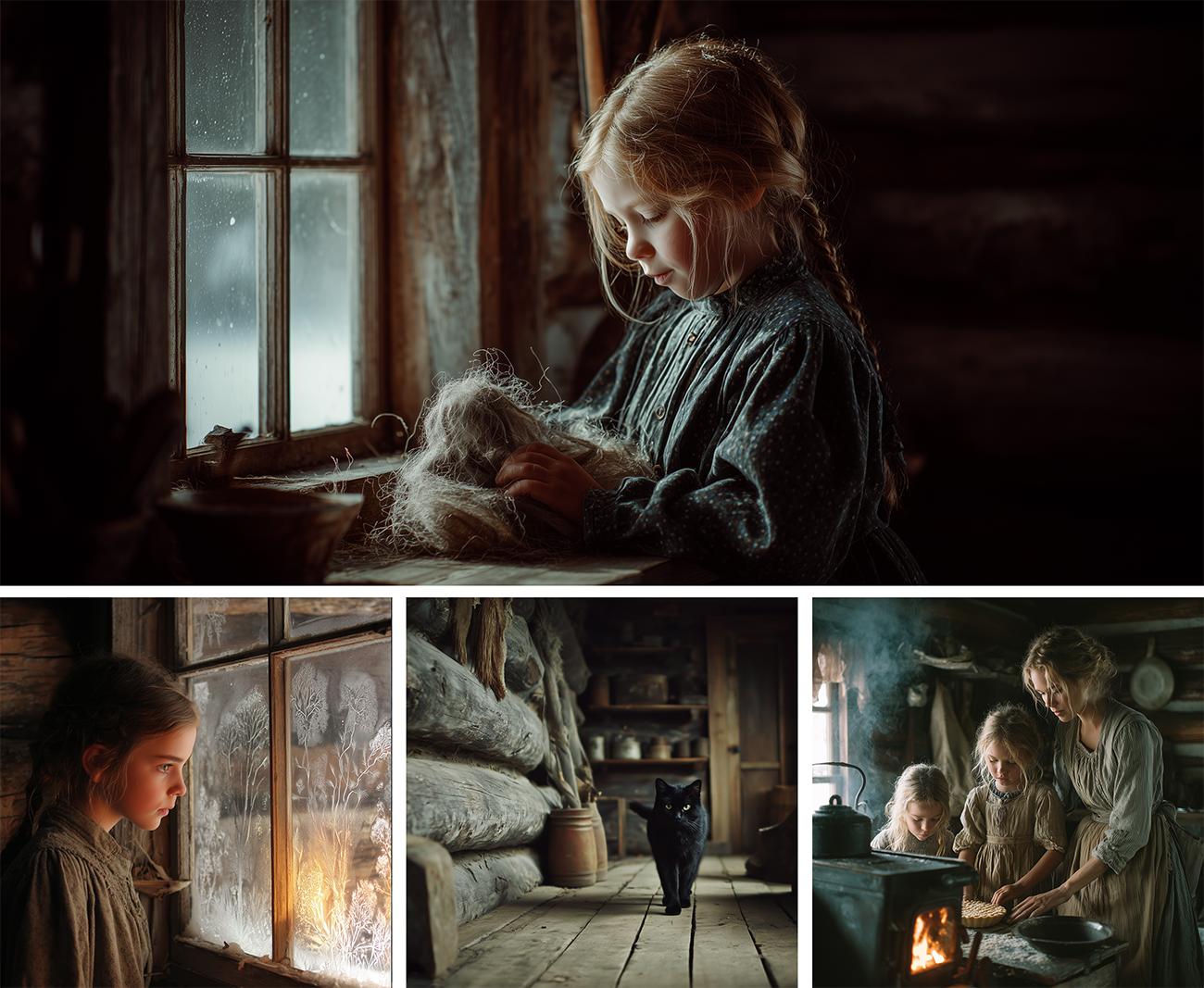
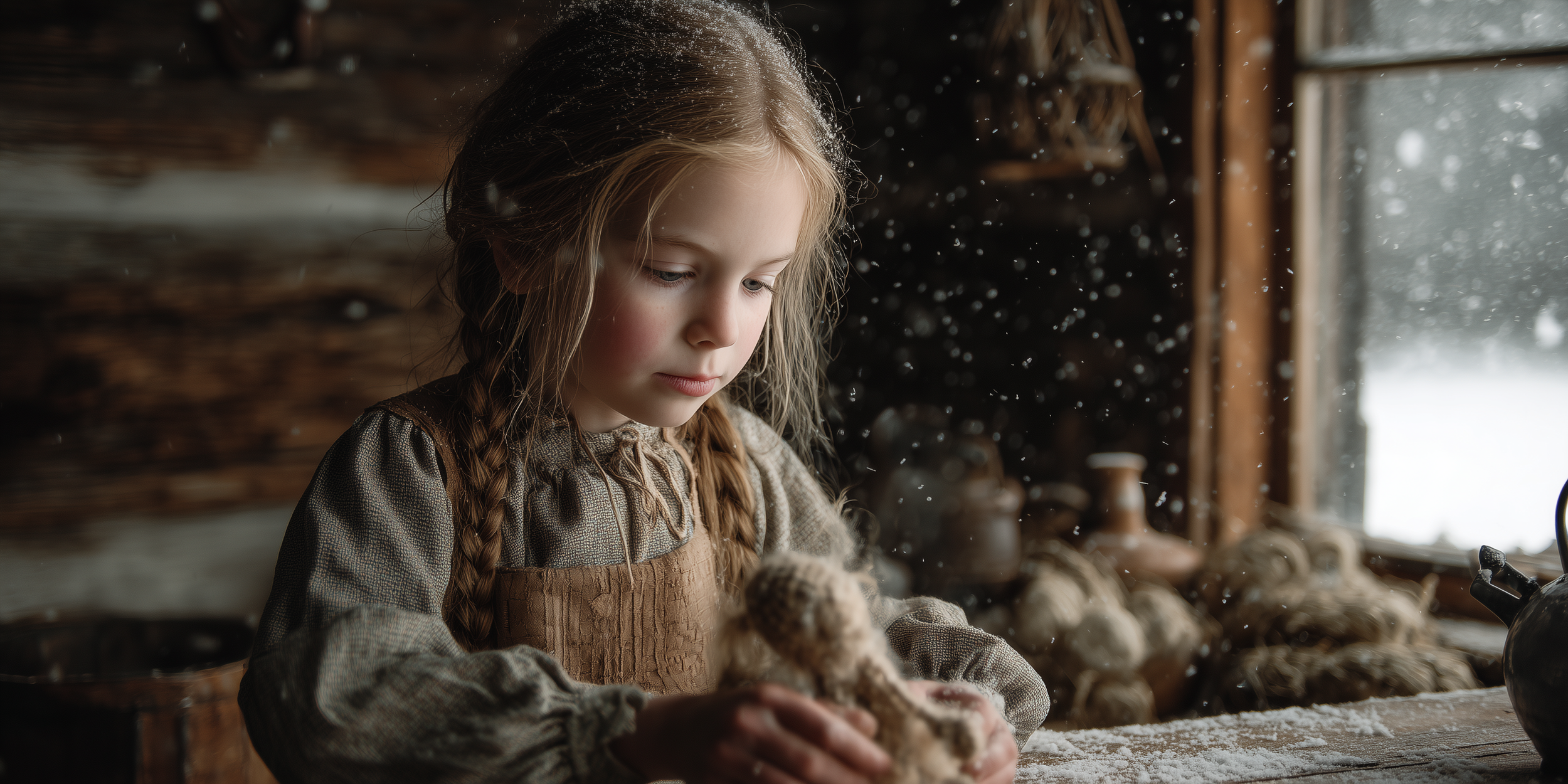
The season changes…
… And the Wisconsin winter closes-in on the Ingalls' little log house — silent, white, and deep. While the wind howls outside, Laura watches Ma and Pa turn their tiny refuge into a world of warmth: churning butter, molding cheeses, stacking wood for the fires that must never go out. But frontier life is never as peaceful as it seems.
Outside the cabin lie dangers the girls can only imagine — wolves lurking, bitter cold, and the constant fear of what could happen beyond the frosted windowpanes. Inside, Pa tells stories by lamplight, his tall tales stirring both laughter and fear.
This chapter is filled with humor and quiet suspense — the magic of simple routines, the thrill of the danger pressing close, and the courage it takes to survive winter. One evening with the Ingalls, and you’ll feel transported back to the Wisconsin wilderness.
To keep up with other readers, you can join the Facebook group discussion here.
Chapter 3: The Long Rifle
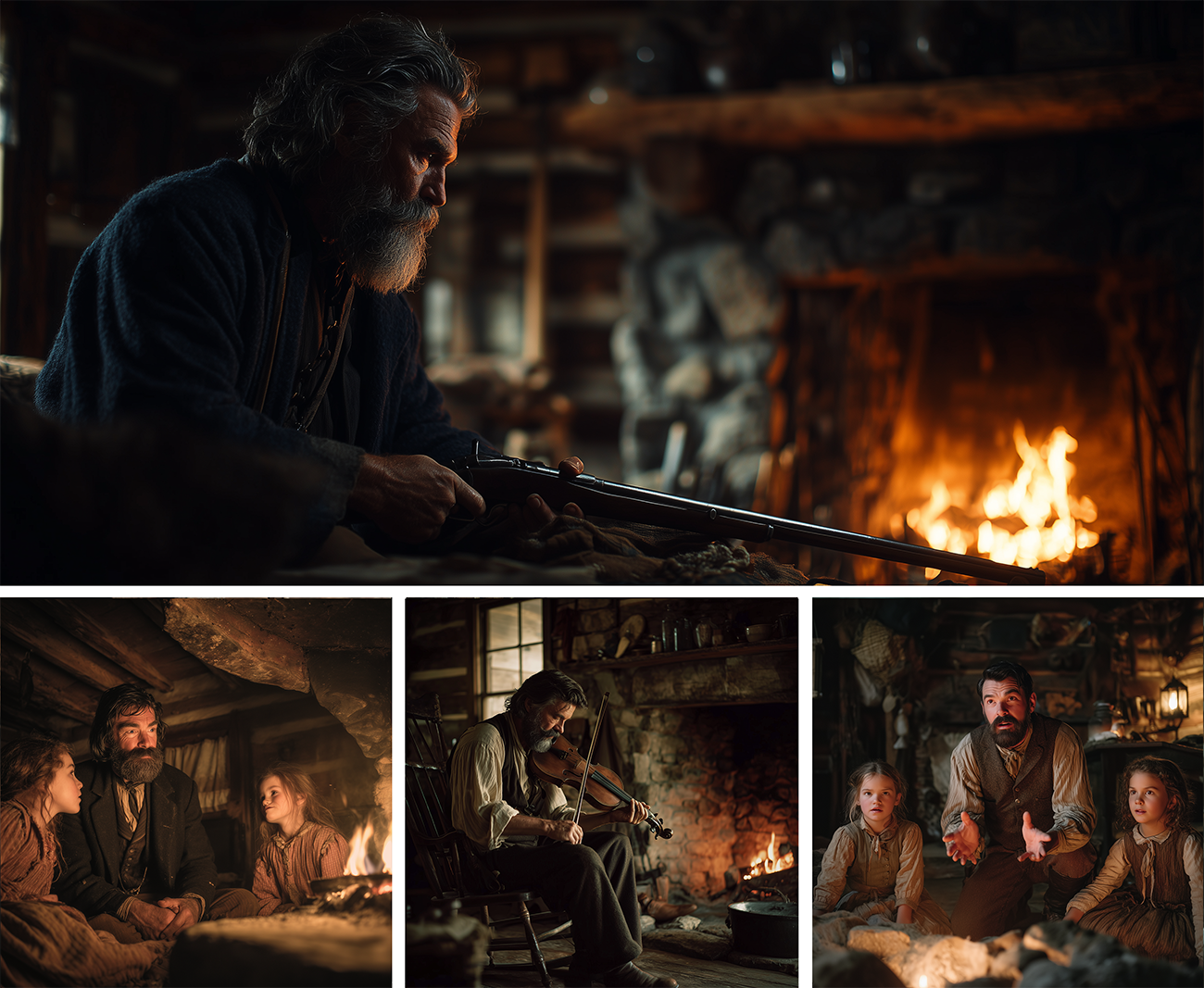
In Chapter 3, “The Long Rifle…”
Laura learns why Pa’s gun is more than a tool: it is the family’s lifeline. Every night, while the wind moans around the cabin, Pa cleans the long rifle with care, knowing that one mistake could mean disaster in the wilderness.
Through Laura’s watchful eyes, we see the wild world as she sees it — a place where panthers roam and bears rise up from the shadows.
Pa tells the girls gripping stories of danger on the trail: a charging bear, a nighttime attack, moments when the rifle stood between life and death.
As Pa runs the ramrod through the barrel and the fire pops in the grate, we'll feel the suspense of the woods pressing in… and understand why the long rifle must never fail.
To keep up with other readers, you can join the Facebook group discussion here.
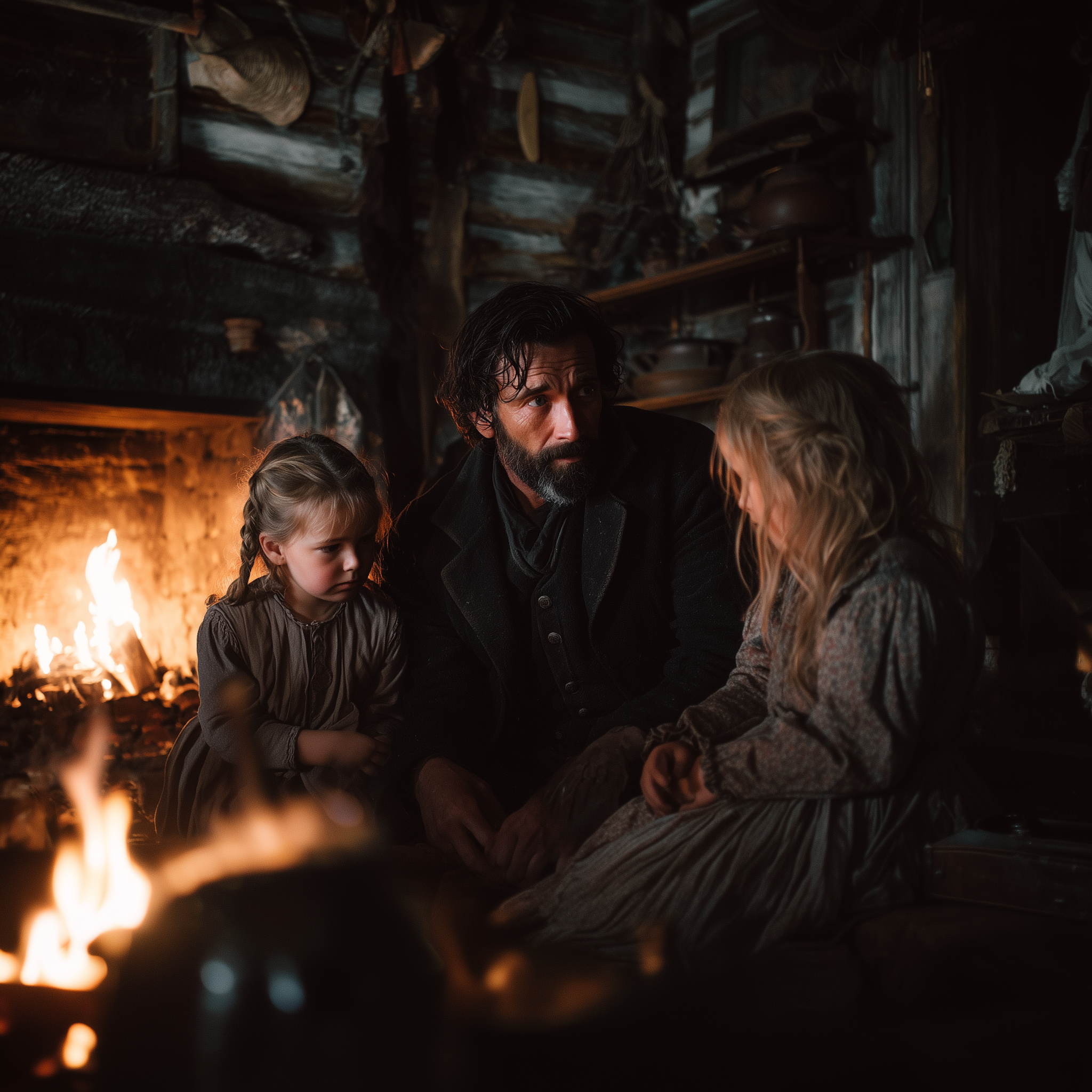
Chapter 4: Christmas
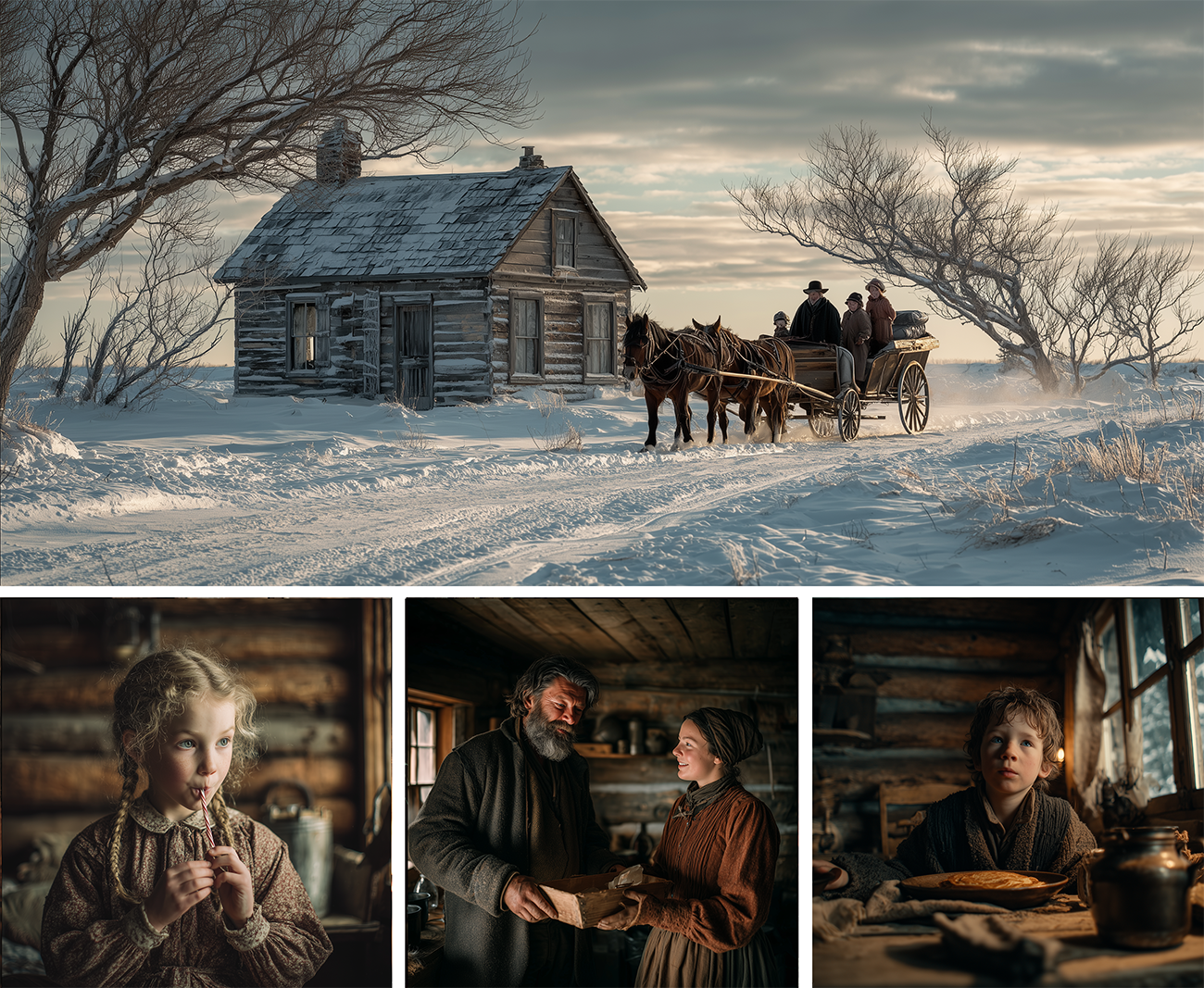
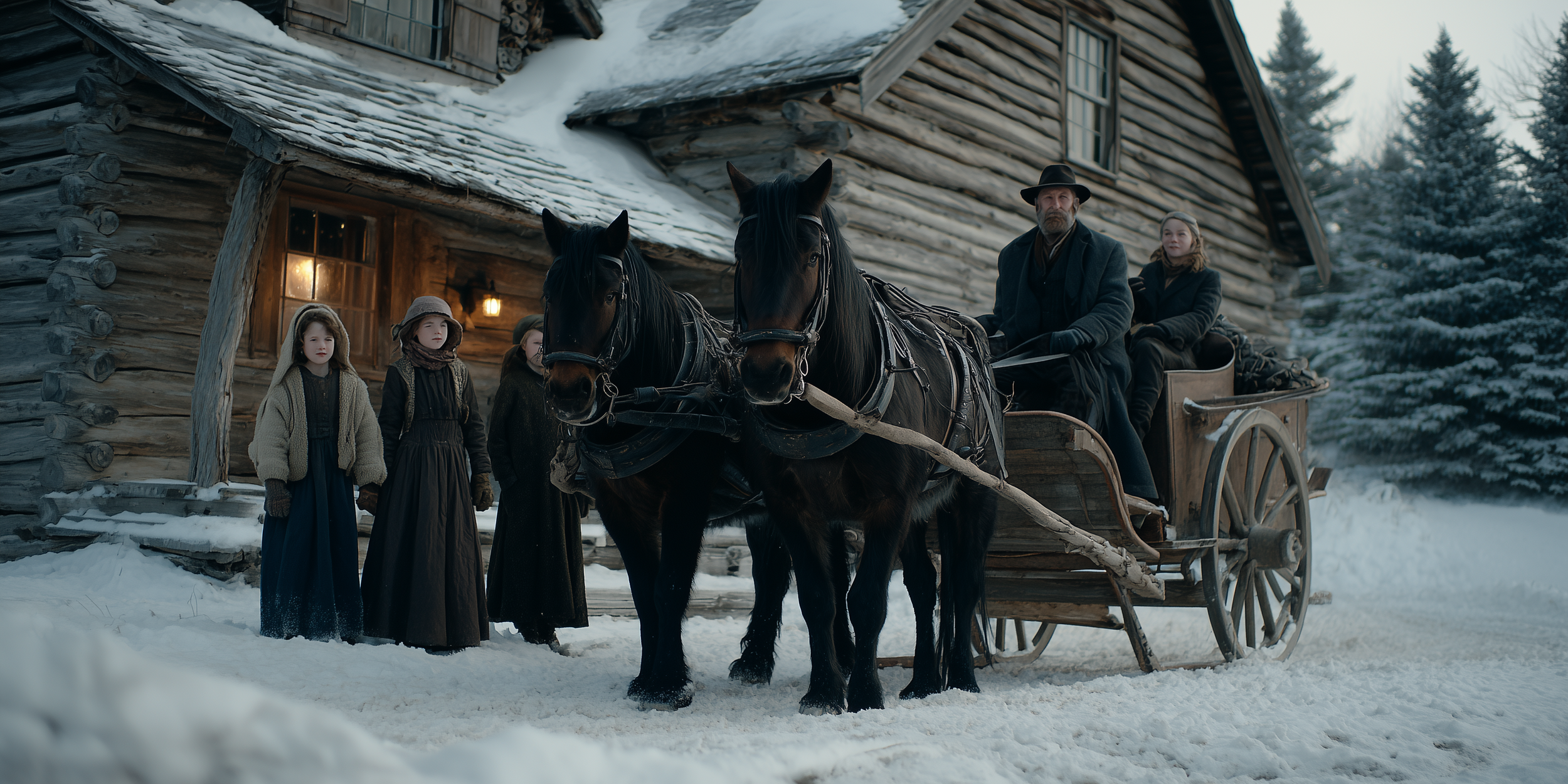
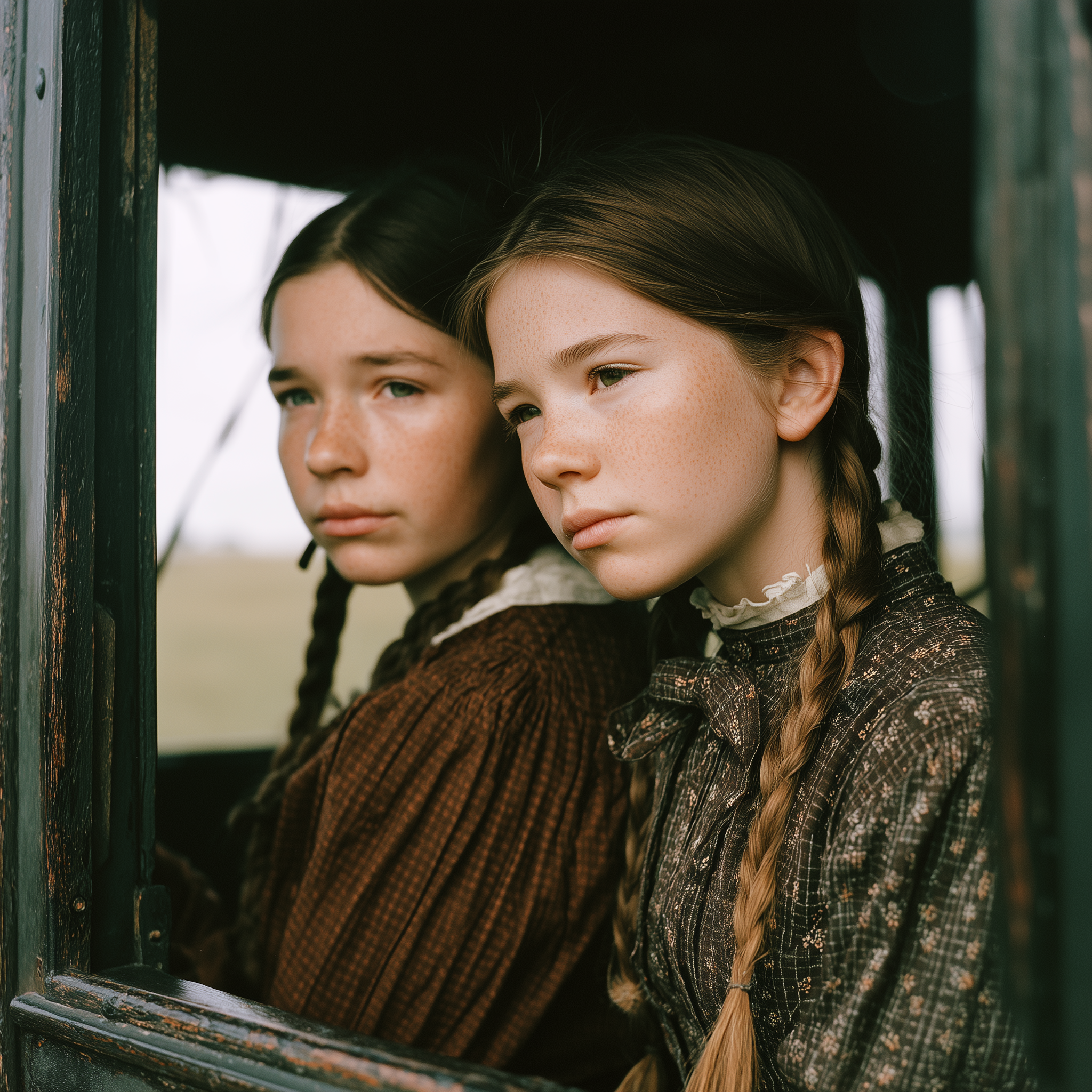
Christmas arrives in the Wisconsin woods amidst deep snow drifts against the house, icy branches, and worries of whether relatives can reach the little log house at all. Laura and Mary wait with a mix of excitement and worry, listening for sleigh bells that may or may not break through the frozen stillness.
Inside, Ma works quietly and steadily, filling the cabin with warmth while storms gather outside. The girls help prepare for Christmas, wondering what the day will bring—if Christmas will arrive the way they’ve dreamed. Every gust of wind against the shutters feels like a reminder of how small their home is in the vast, wild woods.
And then, like a miracle, Christmas finally arrives—full of surprises, simple gifts, and the happiness of being together with loved ones. This is a chapter alive with anticipation and relief, capturing the magic of a frontier Christmas where the greatest wonders are often the smallest ones.
To keep up with other readers, you can join the Facebook group discussion here.
Chapter 5: Sundays
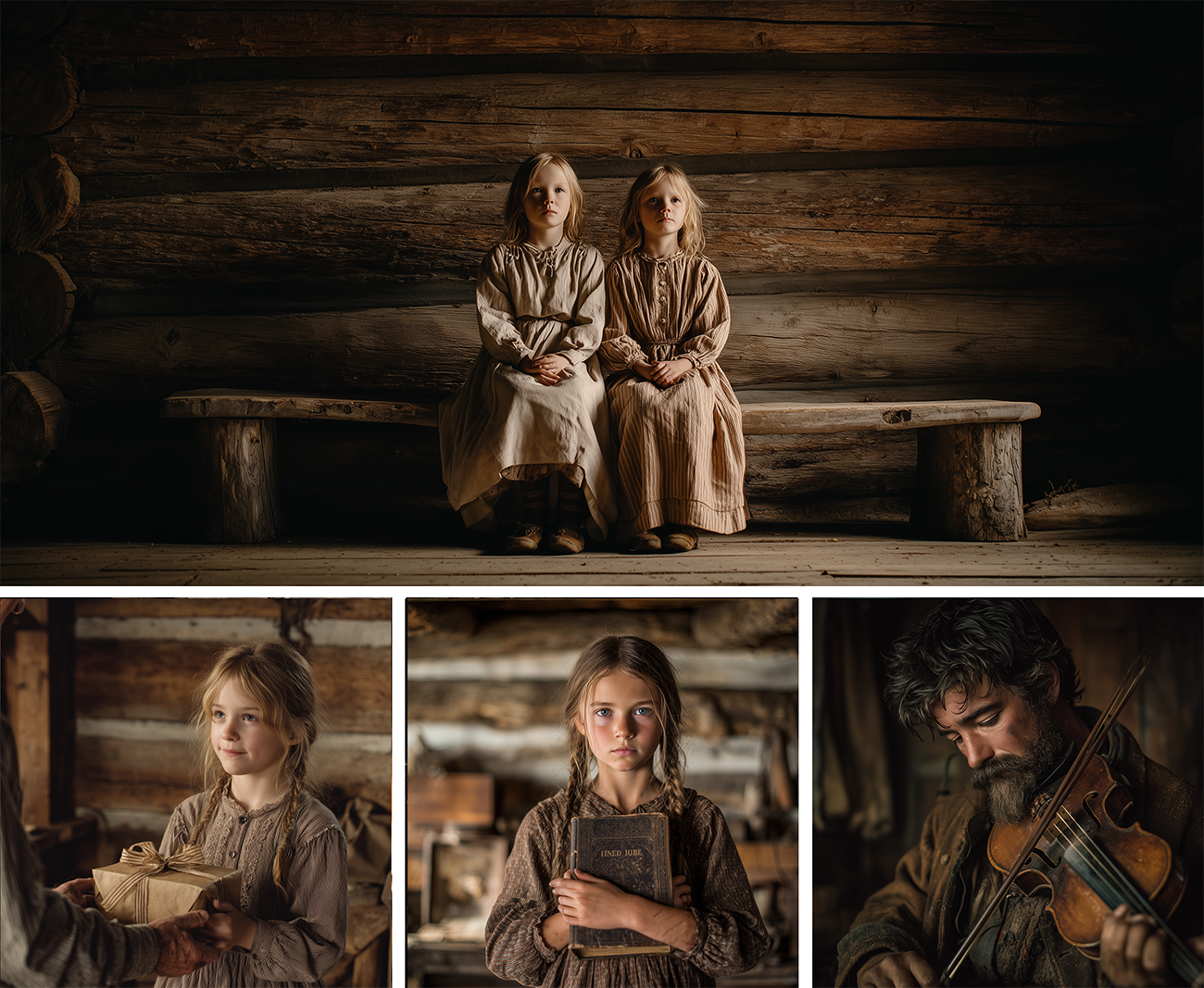
Sundays in the Big Woods are quiet…
… Almost too quiet. Laura discovers that the stillness of the Sabbath can feel both peaceful and unbearably tense. The Ingalls family follows strict rules: no running, no playing except with a rag doll, and no frivolous noise.
To a lively girl like Laura, the day feels long and heavy with expectation. But beneath this rigid calm lies the thrill of Pa’s stories—tales that reveal the dangers and mischief of his father's childhood Sundays. His storytelling fills the quiet day with scenes of misadventure, chases, punishment narrowly avoided, and lessons learned the hard way.
This is a chapter of contrasts—stillness and suspense, obedience and temptation, rules and the wildness that lives just beneath. It’s a glimpse into frontier discipline, childhood restlessness, and the stories that make the long winter days bearable.
To keep up with other readers, you can join the Facebook group discussion here.
Chapter 6: Two Big Bears
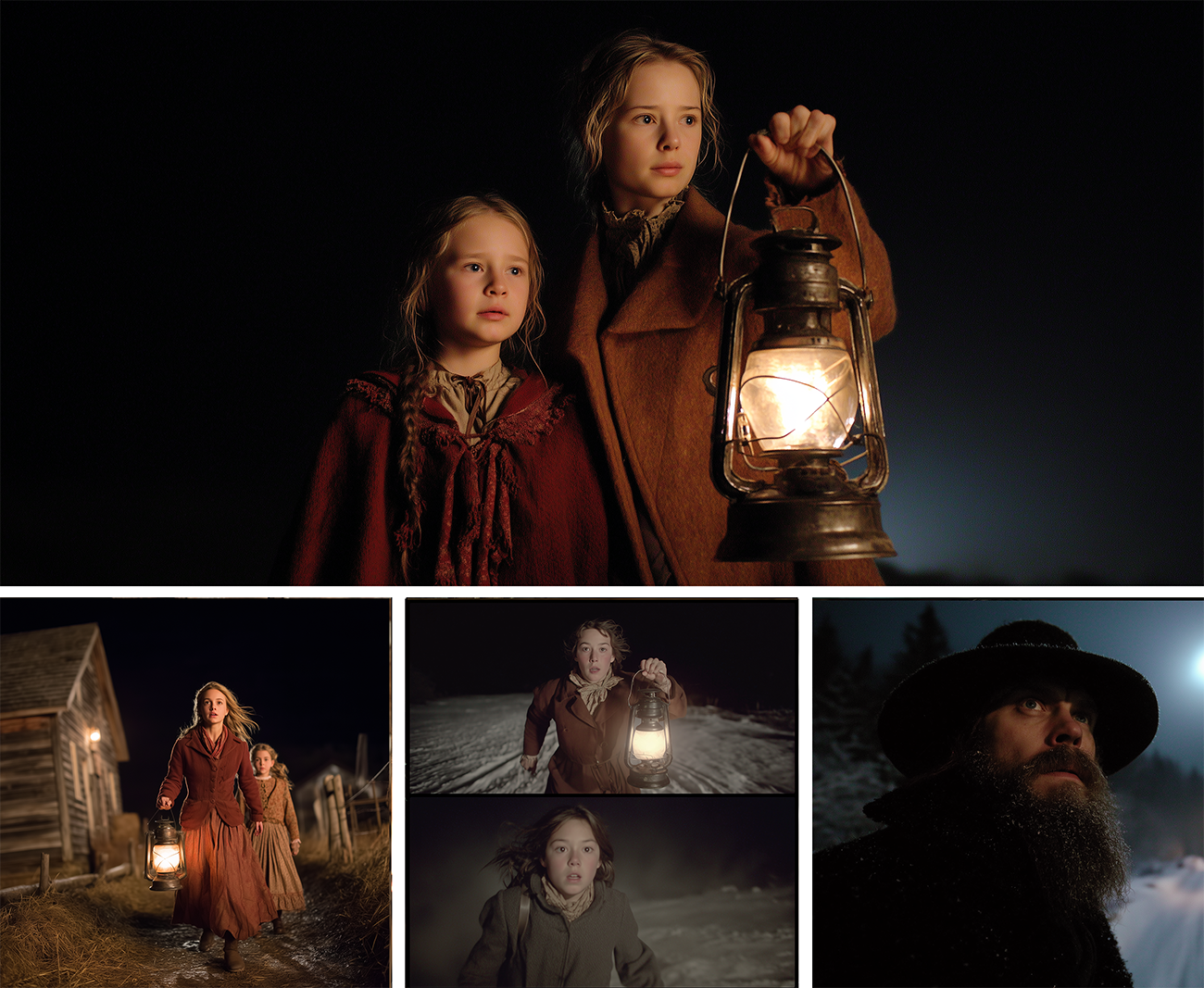
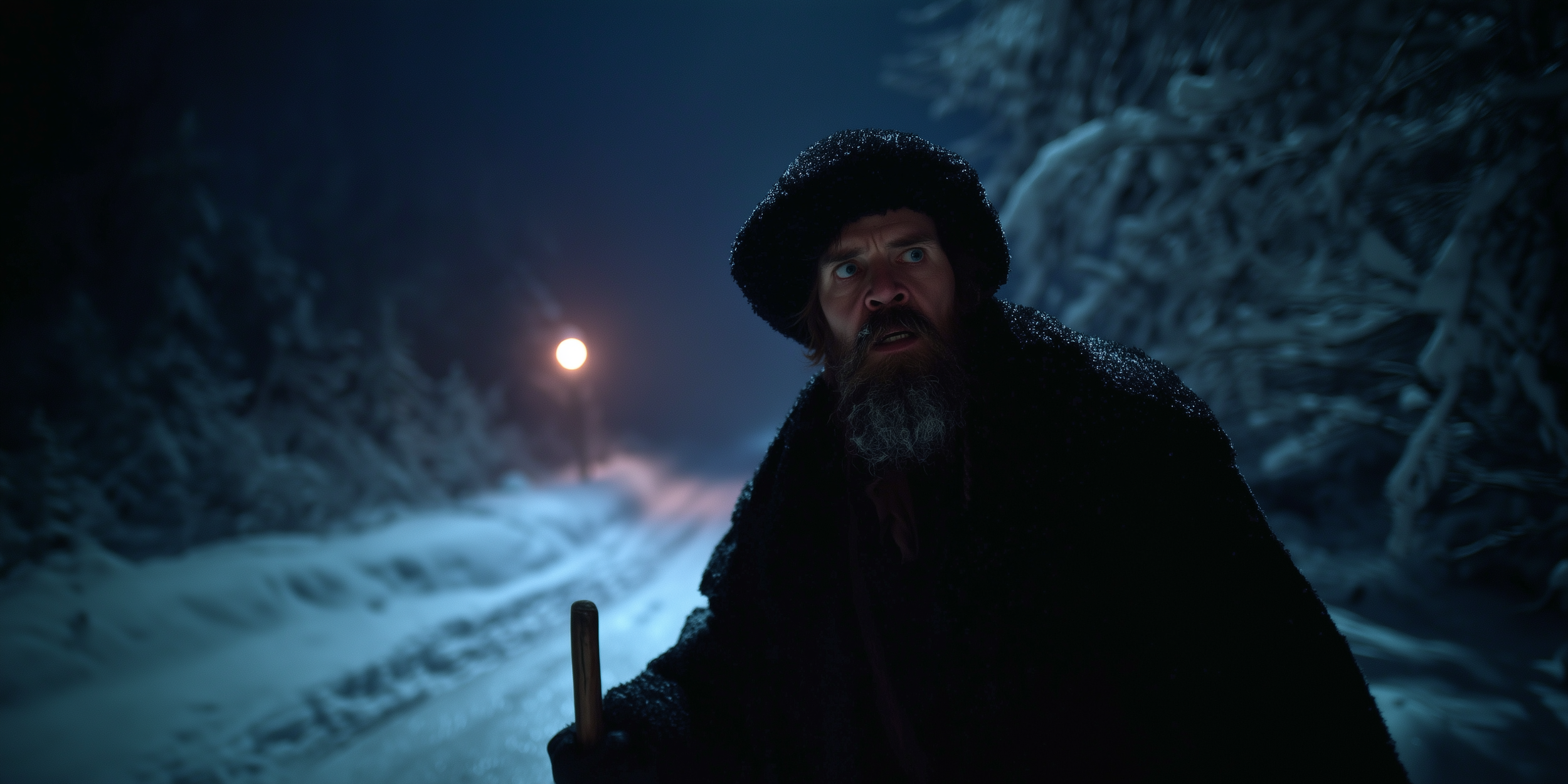
Night settles over the Big Woods, turning every path into a tunnel of shadows, and danger prowls closer than Laura ever imagined. While Ma and Laura have their own brush with danger, Pa sets out along the dim forest trail, knowing full well that winter nights can hide creatures larger and more fearsome than any he’s met before.
What begins as a simple walk home becomes a tense, heart-pounding journey. Shapes loom out of the darkness. Footsteps echo on the frozen ground. And in the wavering moonlight, Pa finds himself face-to-face with something frightening. (Or is it?)
Back in the cabin, Pa’s breathless return and gripping tale pull the family tight around the warm fire. Laura listens wide-eyed as he recounts his brush with danger, the kind that only the remote wilderness can deliver. Two Big Bears” is a tale of suspense, surprise, and mistaken terror.
To keep up with other readers, you can join the Facebook group discussion here.
Chapter 7: The Sugar Snow
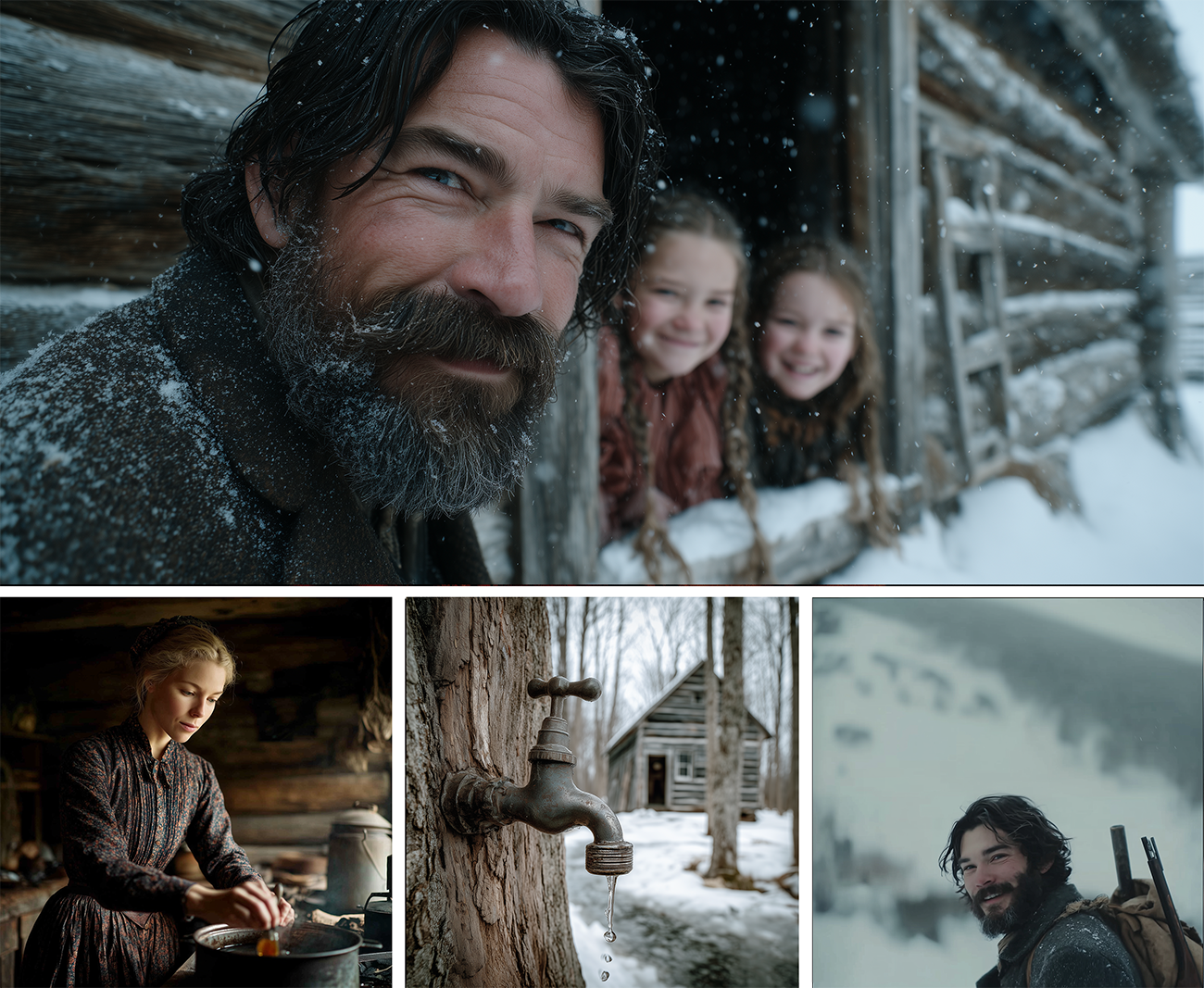
Winter has loosened its grip on the Big Woods at last…
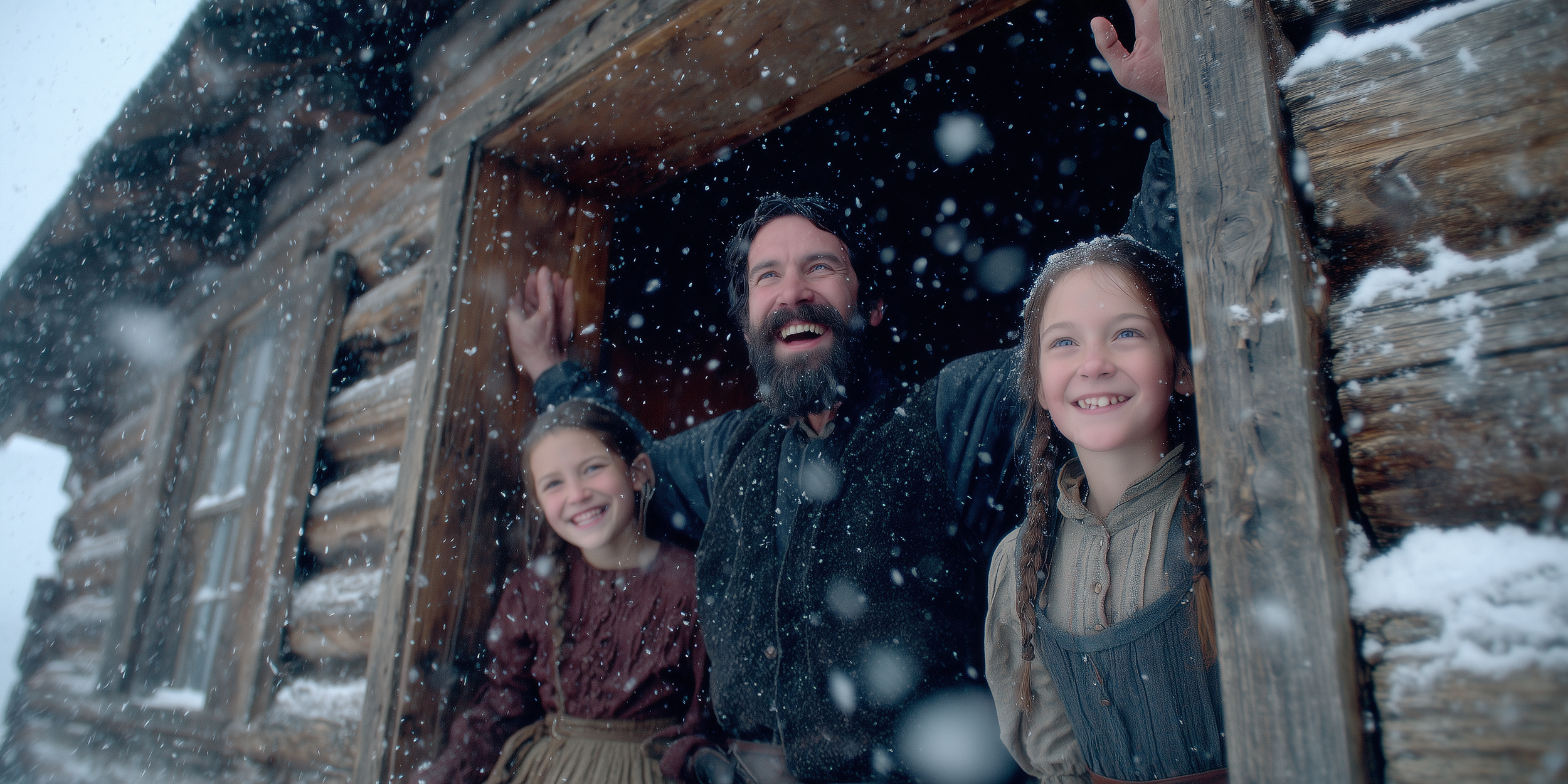
The snow grows soft and weary, patches of bare earth begin to show, and the air hints at spring. But just when it seems the cold is finished, a new snowfall arrives—light, feathery, and strange. Pa calls it “sugar snow,” and Laura soon learns it means something wonderful.
While Pa sets off through the woods to visit Grandpa, carrying his hatchet, gun, and powder horn, Ma stays home with Laura and Mary and begins the careful, patient work of making maple sugar. Buckets and little wooden troughs are set into maple trees to catch the dripping sap. Laura watches as the clear liquid is poured into a great iron kettle and boiled over a roaring fire, skimmed again and again until, at just the right moment, it thickens and turns into sweet brown sugar.
As the steam rises and the fire crackles, Laura learns that the sap is the tree’s lifeblood, waking the woods after winter. By the end of the day, the sugar hardens into cakes, and the cabin is filled with warmth and sweetness.
To keep up with other readers, you can join the Facebook group discussion here.
Chapter 8: Dance at Grandpa's
To keep up with other readers, you can join the Facebook group discussion here.
One morning in the Big Woods…
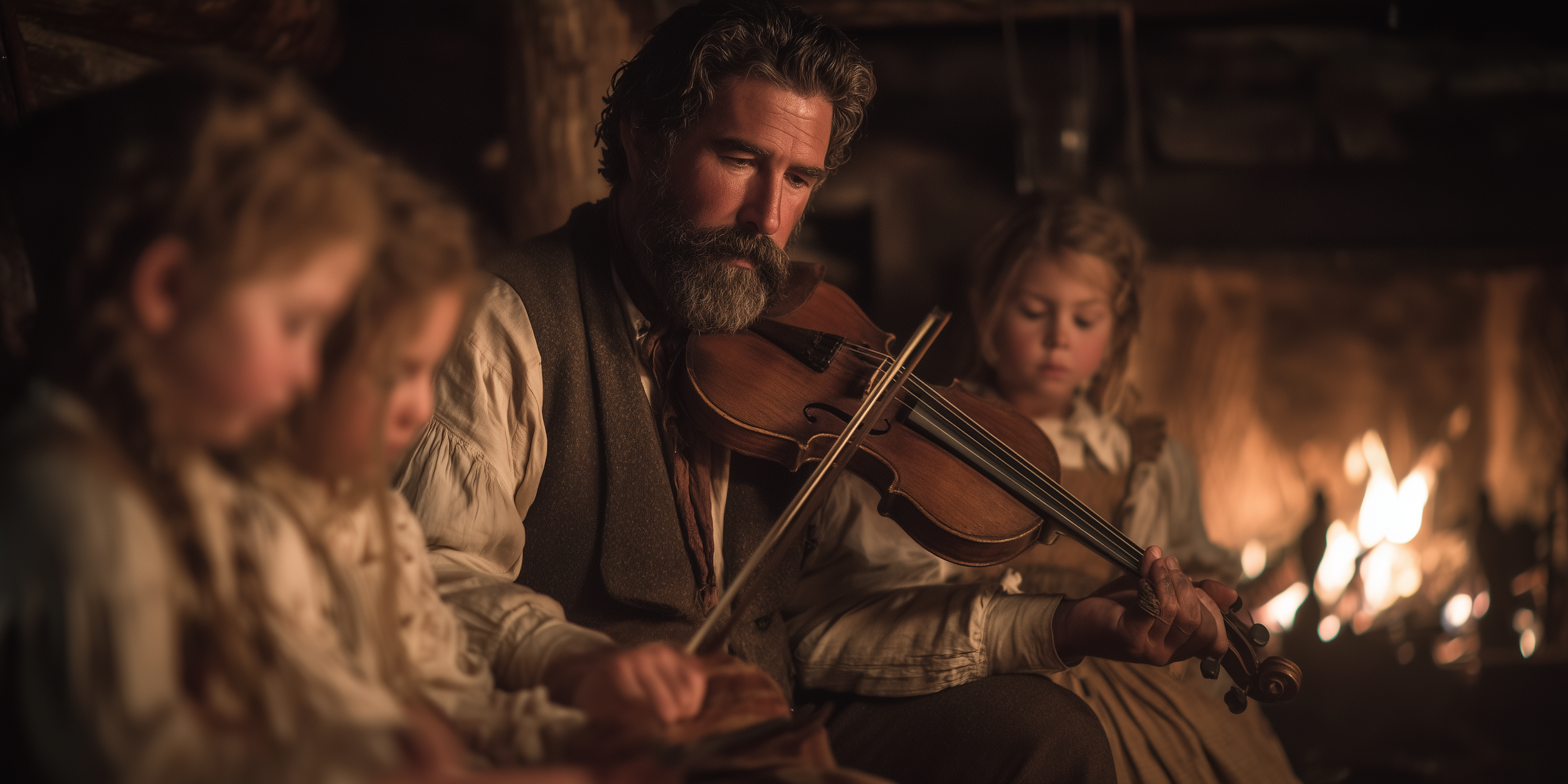
… Ma and Pa wake the girls early and hitch up the horses for a journey to Grandpa’s. Pa packs his fiddle, the sleigh bells ring, and the family glides through sunlit woods where rabbit tracks crisscross the drifts and the shadows of tall trees stretch blue across the snow.
At Grandpa’s, everyone is already hard at work in the maple grove. Sap is gathered, kettles are filled, and the long, patient boiling begins. While the men tend the syrup, Ma, Grandma, and the aunts fill the big house with the smells of clove apples, hickory smoke, and good food cooking.
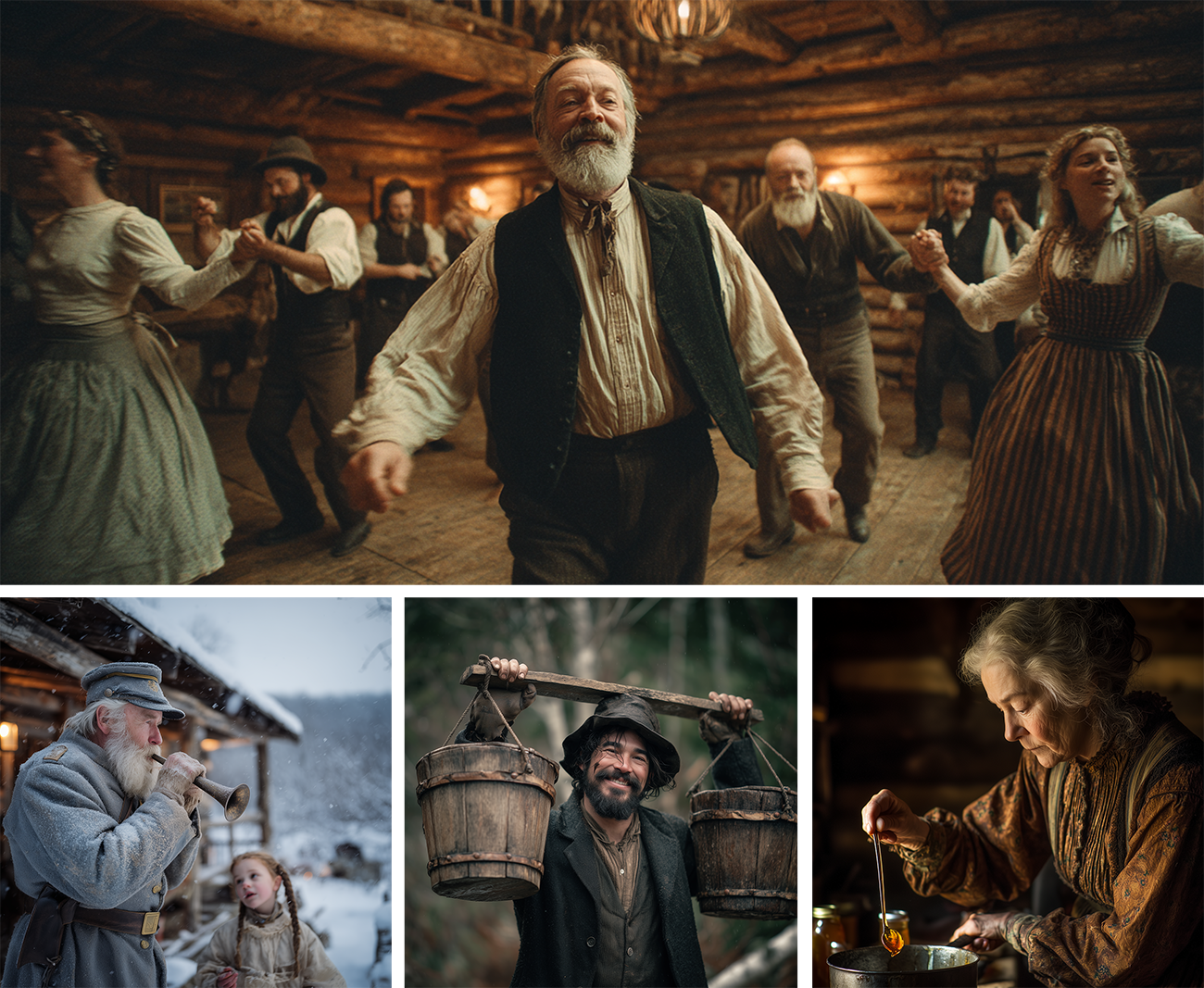
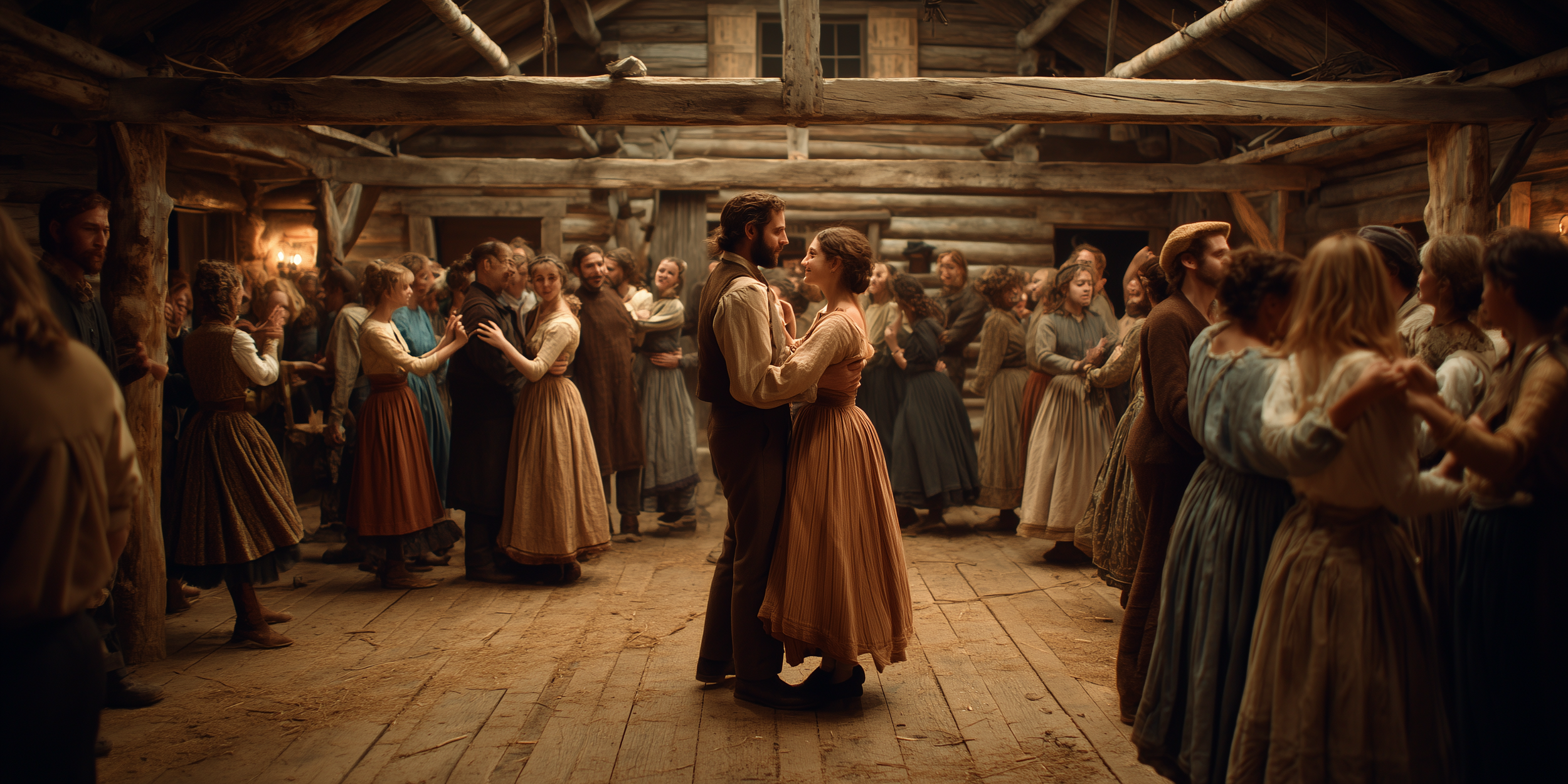
By evening, something wonderful happens. The big room fills with neighbors in tall boots and swishing skirts. Pa takes out his fiddle, and soon the floor is ringing with music and dancing. Even Grandma is pulled away from her work to join in.
But the best surprise comes when the syrup is just right. Plates are filled with clean snow, and hot maple syrup is poured over it to make candy—sweet, sticky, and plentiful. Laura and her cousins eat as much as they want, because maple sugar, after all, never hurt anybody. The Big Woods, for one bright night, has become a place of music, lantern-light, and sweetness.
Chapter 9: Going to Town
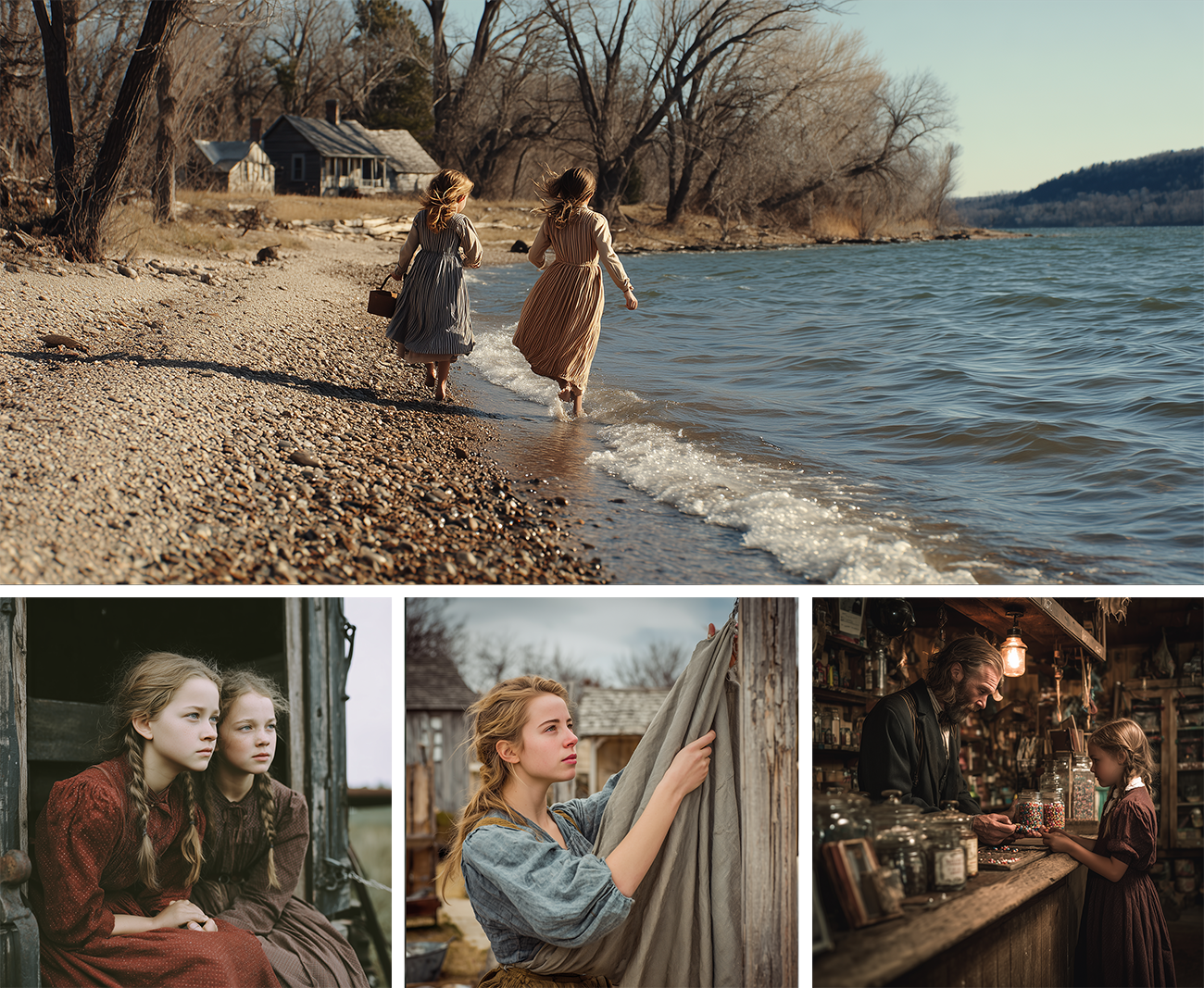
Spring has come to the Big Woods…
The snow is gone, the grass is green, and the forest is full of flowers. Laura and Mary run barefoot all day, building little playhouses under the trees and swinging on the bark swing Pa has made for them.
Soon the crops are in, which means something wonderful: a trip to town. Laura and Mary have never been to town before. Ma curls their hair, dresses them carefully, and the family sets out in the wagon for the long ride to Pepin, seven miles away.
Along the way, woodland animals pause to watch them pass, and when they finally reach the open shore of Lake Pepin, the sky seems so big and the space so wide that Laura can hardly breathe.
The store is like nothing Laura has ever seen—full of calico and prints, tools and boots, sugar and salt and candy. Pa trades for cloth and supplies, and the storekeeper tells Mary she is pretty and gives both girls a piece of candy.
Later, the family sits on the sand by the lake and eats a simple, happy dinner from the wagon while Pa goes back to talk with the other men.
While Ma rocks Carrie to sleep, Laura and Mary run along the lakeshore collecting pebbles—until Laura’s pocket tears and she loses them all, a small sorrow in an otherwise perfect day.
As the sun sets, the family turns toward home. The woods grow dark, but Pa has his gun, and he sings softly as they ride. “Going to Town” is a chapter about first wonders and small disappointments, about seeing the world grow suddenly bigger—and about the deep comfort of returning, safely and singing, to home.
To keep up with other readers, you can join the Facebook group discussion here.
Chapter 10: Summertime
To keep up with other readers, you can join the Facebook group discussion here.
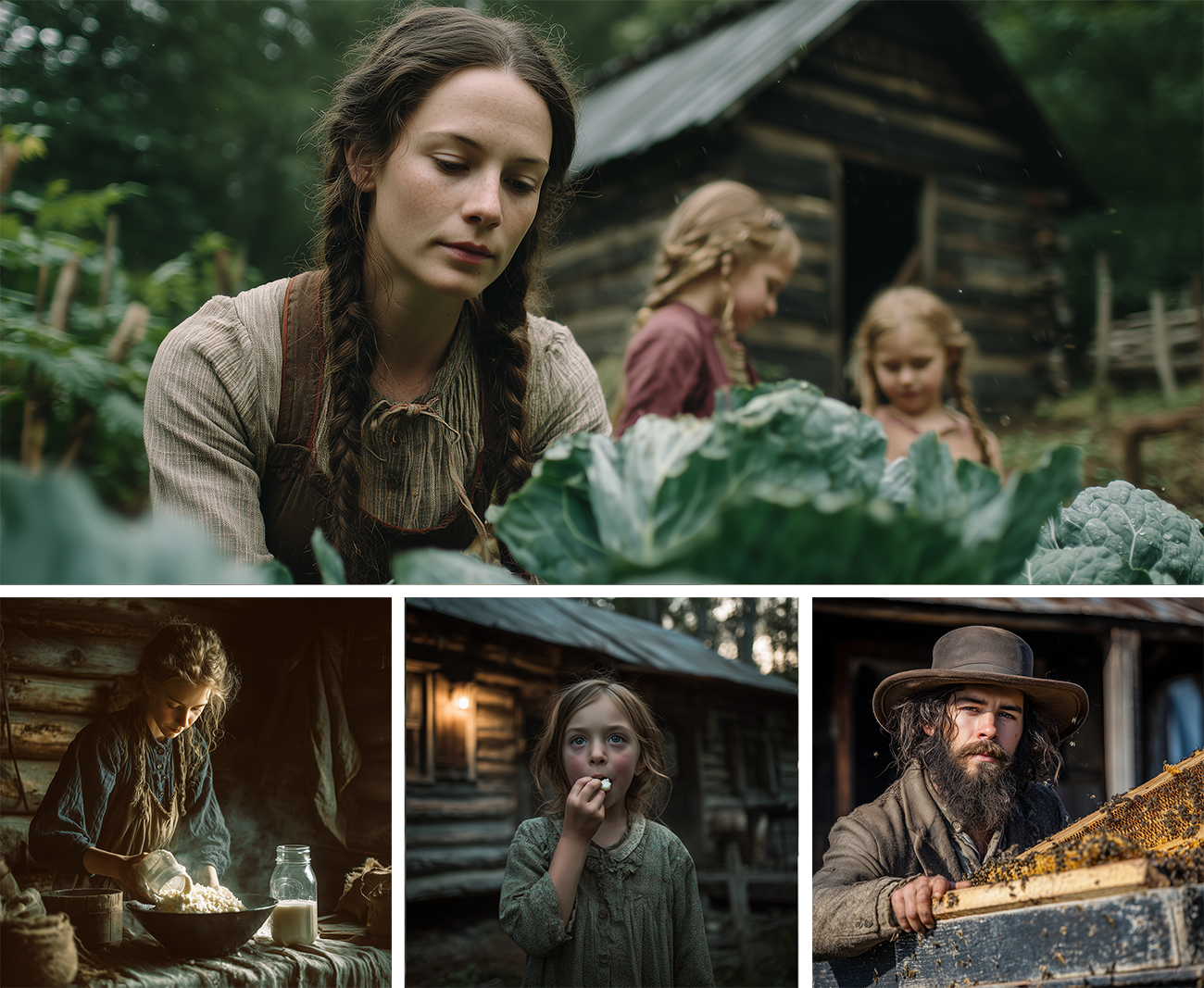
Summer in the Big Woods is busy and neighborly…
With the crops growing and Pa working in the clearing from morning to night, people begin to visit—Uncle Henry, Uncle George, Grandpa, and neighbors who come to spend the day.
Ma cooks more than usual, the house fills with talk and footsteps, and Laura and Mary sometimes get to cross the road and go down the hill to see the Petersons, where Mrs. Peterson’s tidy house and sweet cookies feel like a small, pleasant adventure.
As the long days go on, Pa is too tired in the evenings to play the fiddle, and Ma is busy from morning until night—gardening, milking, feeding the animals, and making cheese. Laura and Mary watch in fascination as milk turns into curds, and curds into smooth, pale wheels of cheese, heavy stones slowly pressing them into shape.
One morning Pa goes to borrow a tool and comes home with a wagon full of honey, after finding a bee tree—and chasing away a bear. “Summertime” is a chapter about work and visitors, small jealousies and growing up, and the steady, satisfying rhythms of a family’s life, rich with milk, honey, and long, hardworking days in the Big Woods.
Chapter 11: Harvest
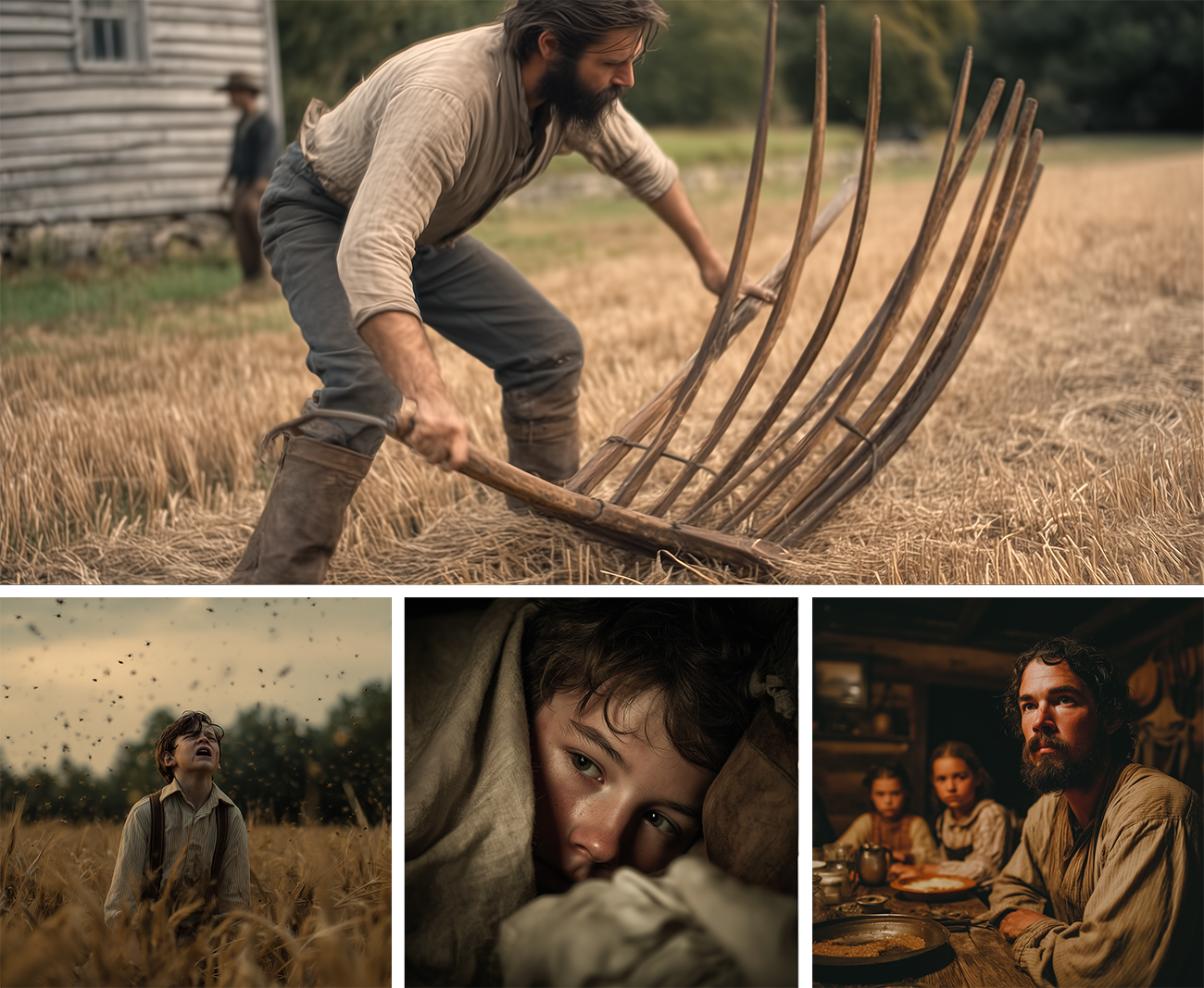
Harvest time comes to the Big Woods…
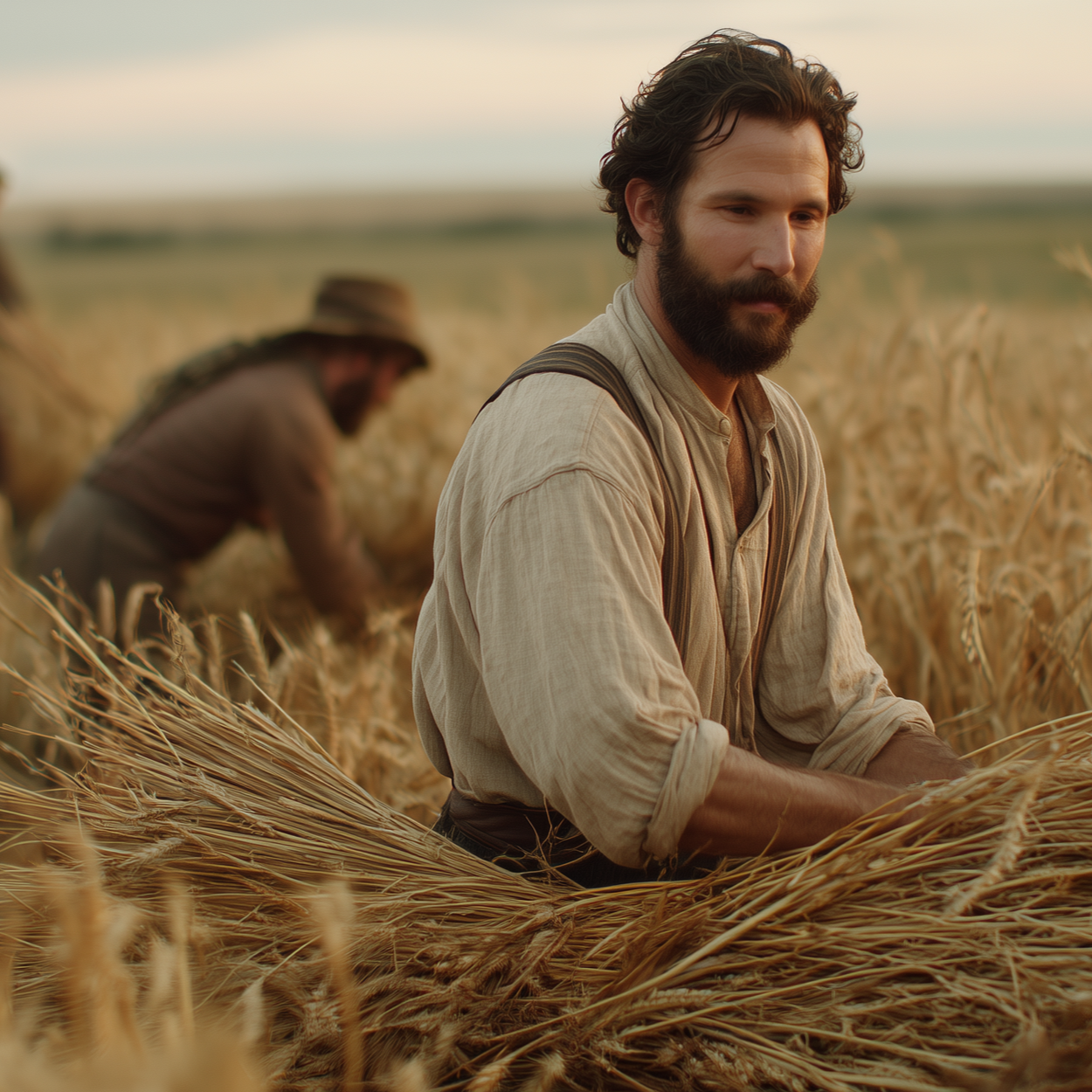
It brings long days, aching hands, and the steady rhythm of work shared between neighbors. Pa and Uncle Henry trade labor in the oat fields, swinging their cradles in wide arcs and laying the grain in neat heaps to be bundled and shocked against the weather.
While the men work under the hot sun, Ma, Aunt Polly, and the children spend the day together, filling the house with talk and quiet industry. But the calm of harvest is broken when young Charley comes to help—and only seems to make trouble.
He is in the way, plays tricks, and even pretends to be hurt, until one time the men don’t come running. This time, something truly is wrong. By evening, the women are tending to a miserable, swollen Charley, plastered in cool mud and tucked into bed, while the men return home weary and sore.
On the long ride back, Pa tells Laura what happened—and what he thinks of it. This chapter is full of hard work, small dramas, and one unforgettable lesson about truth, responsibility, and the sometimes painful ways children learn.
To keep up with other readers, you can join the Facebook group discussion here.
Chapter 12: The Wonderful Machine
To keep up with other readers, you can join the Facebook group discussion here.
Autumn deepens in the Big Woods…
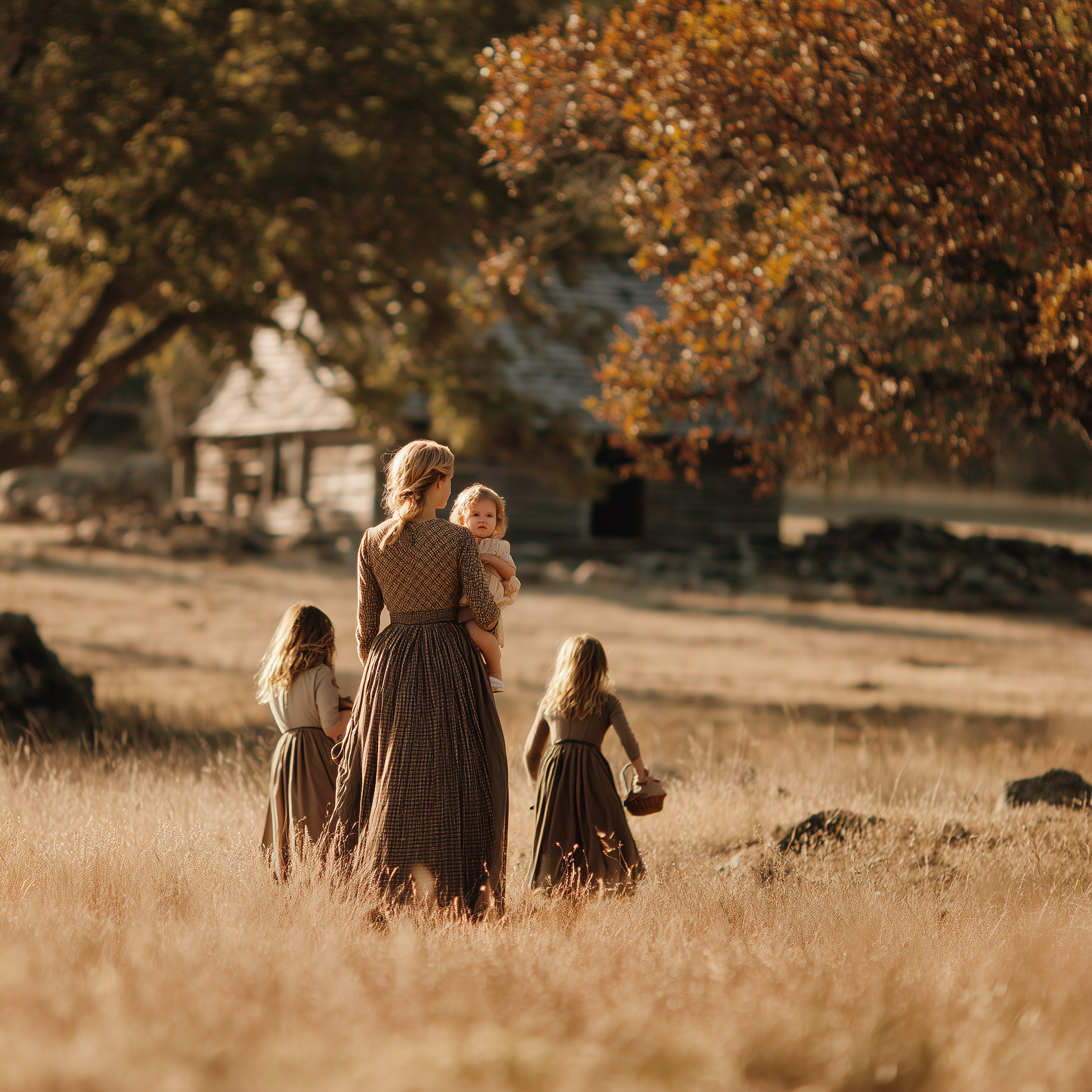
Leaves turn bright and fall, nuts drop from the trees, and squirrels hurry about their busy work. The girls and Ma gather walnuts and hickory nuts to lay out in the sun.
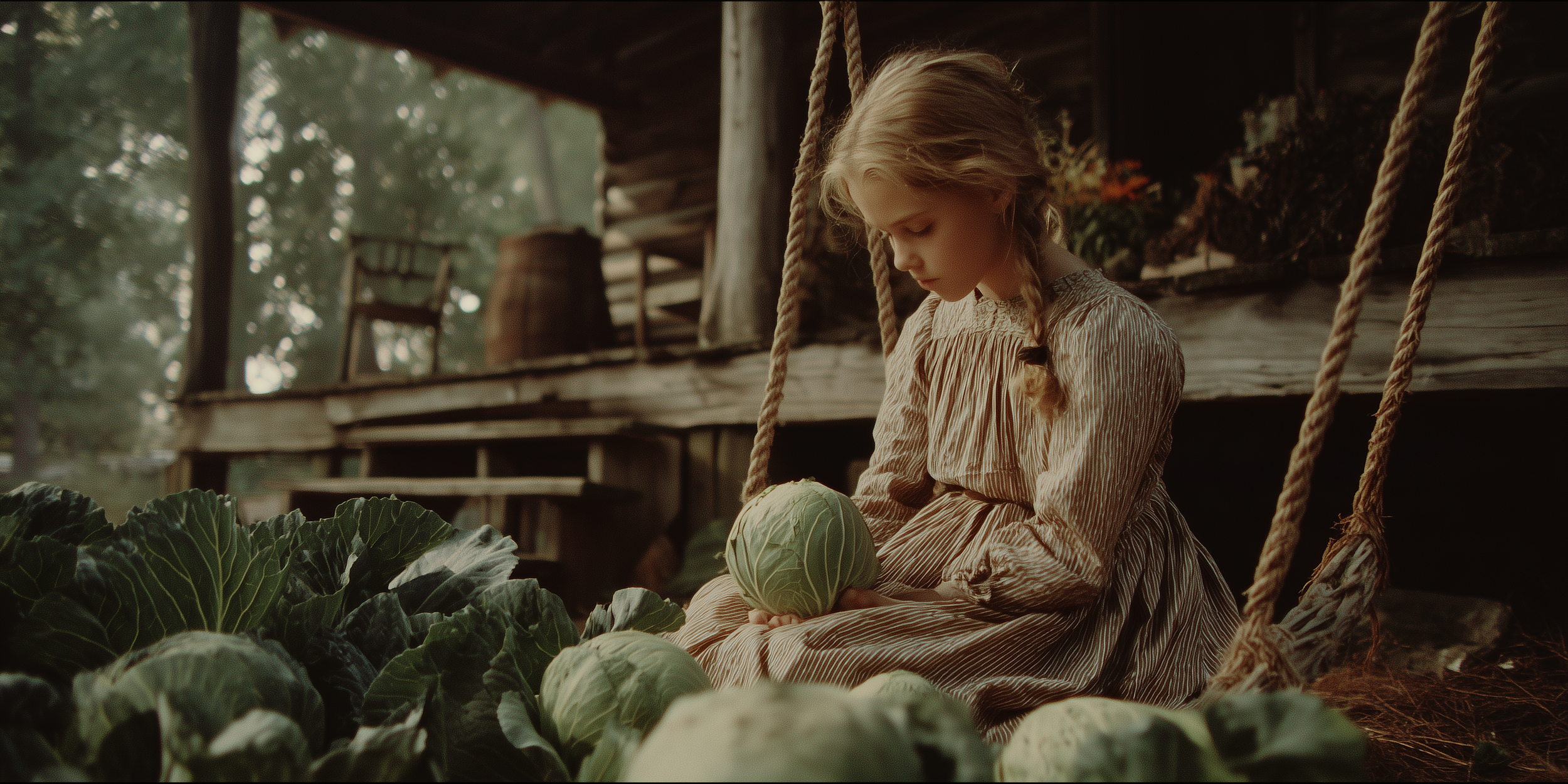
In the kitchen, Ma turns pumpkins into pies and stewed suppers, bakes squash, and makes the familiar meals that fill the house with warmth and comfort. Some foods take days of work, like hulled corn, which Laura loves best with milk. Ma and Pa shell it, boil it with ashes, scrub away the hulls, and finally store the soft white kernels in the pantry.
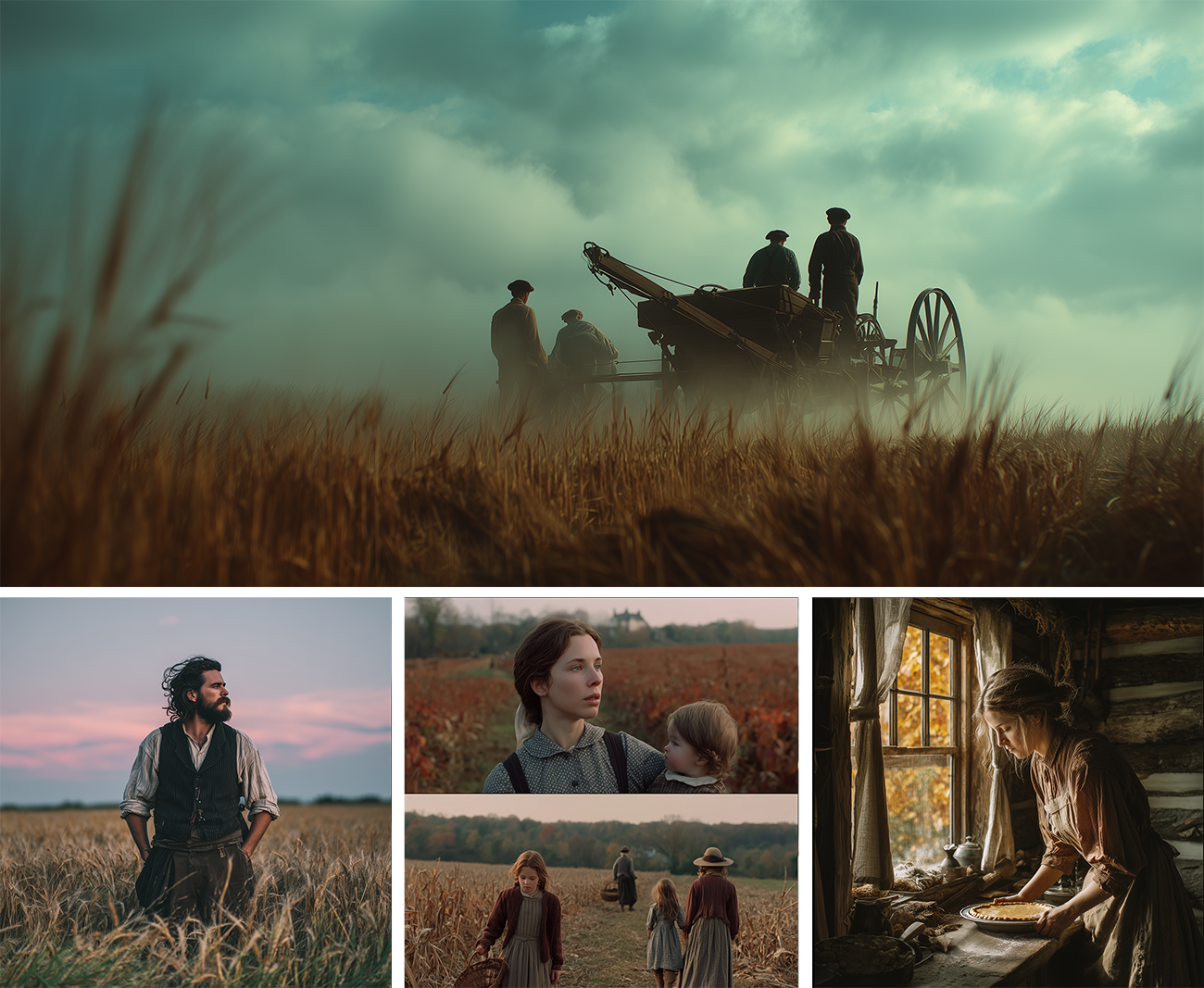
Then one frosty morning, something extraordinary arrives: a great threshing machine, pulled by horses and run by men who move from farm to farm. Laura and Mary watch in awe as the noisy, clanging separator chews through bundles of wheat, spits out clean grain, and leaves straw behind in great stacks. Before long, the machine and its crew move on, having done in hours what would have taken weeks.
That night, Pa is too tired to talk, but Laura knows he is proud. And she is proud, too, of the work, of the harvest, and of the wonderful machine that showed her how big and surprising the world can be.
Chapter 13: The Deer in the Wood
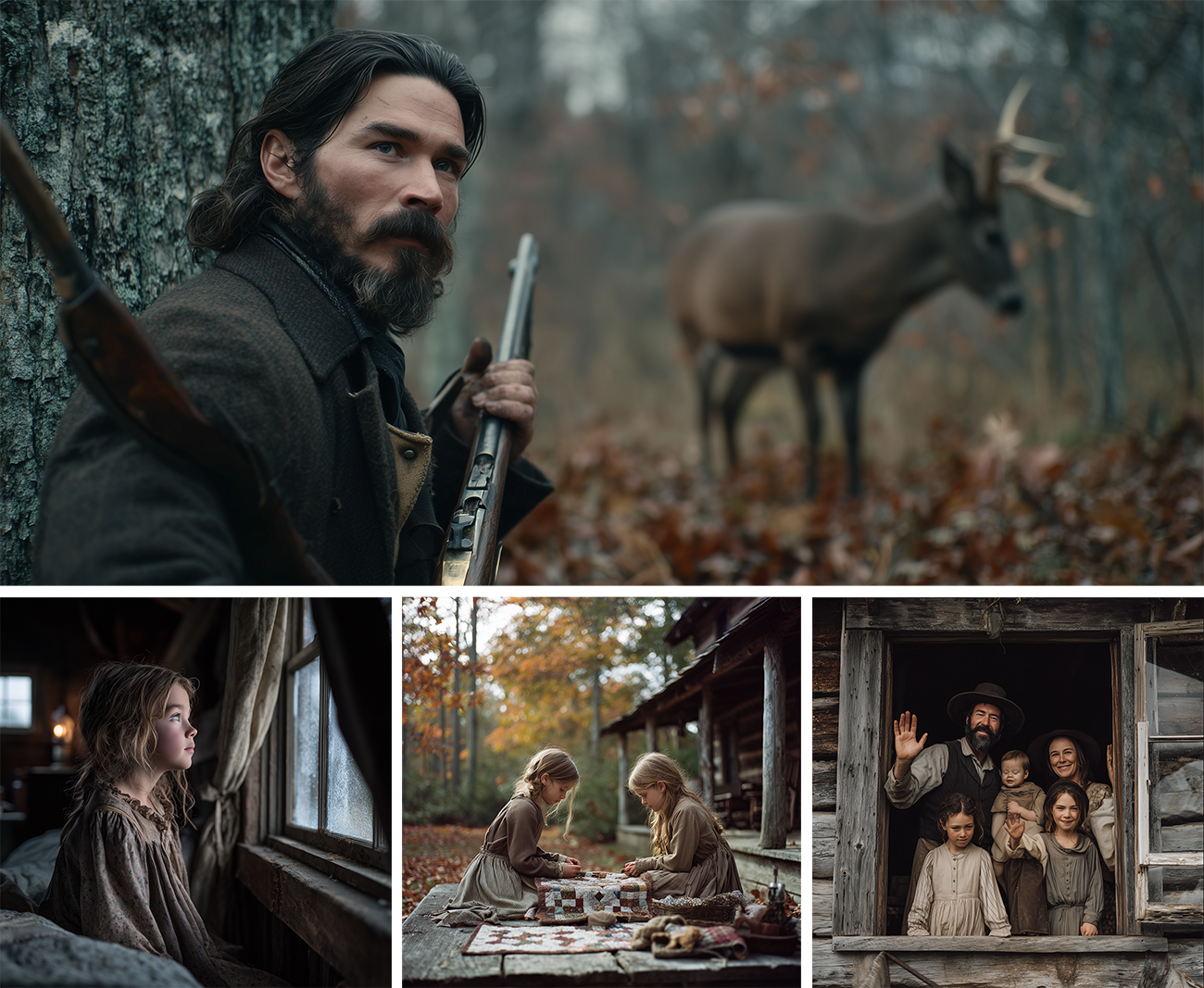
Autumn fades in the Big Woods. The bright leaves turn dull and brown, cold rains fall, and the days grow shorter and colder. The fire burns in the cookstove all day now, keeping the house warm, and the attic and cellar are once again full of good things.
Laura and Mary help Ma sew patchwork quilts, and after supper Pa takes out his fiddle again, filling the evenings with music. But one thing is missing: there has been no fresh meat since spring. The fawns are grown now, and Pa begins to go hunting again. He has made a deer lick in the woods and goes there in the evenings to watch and wait.
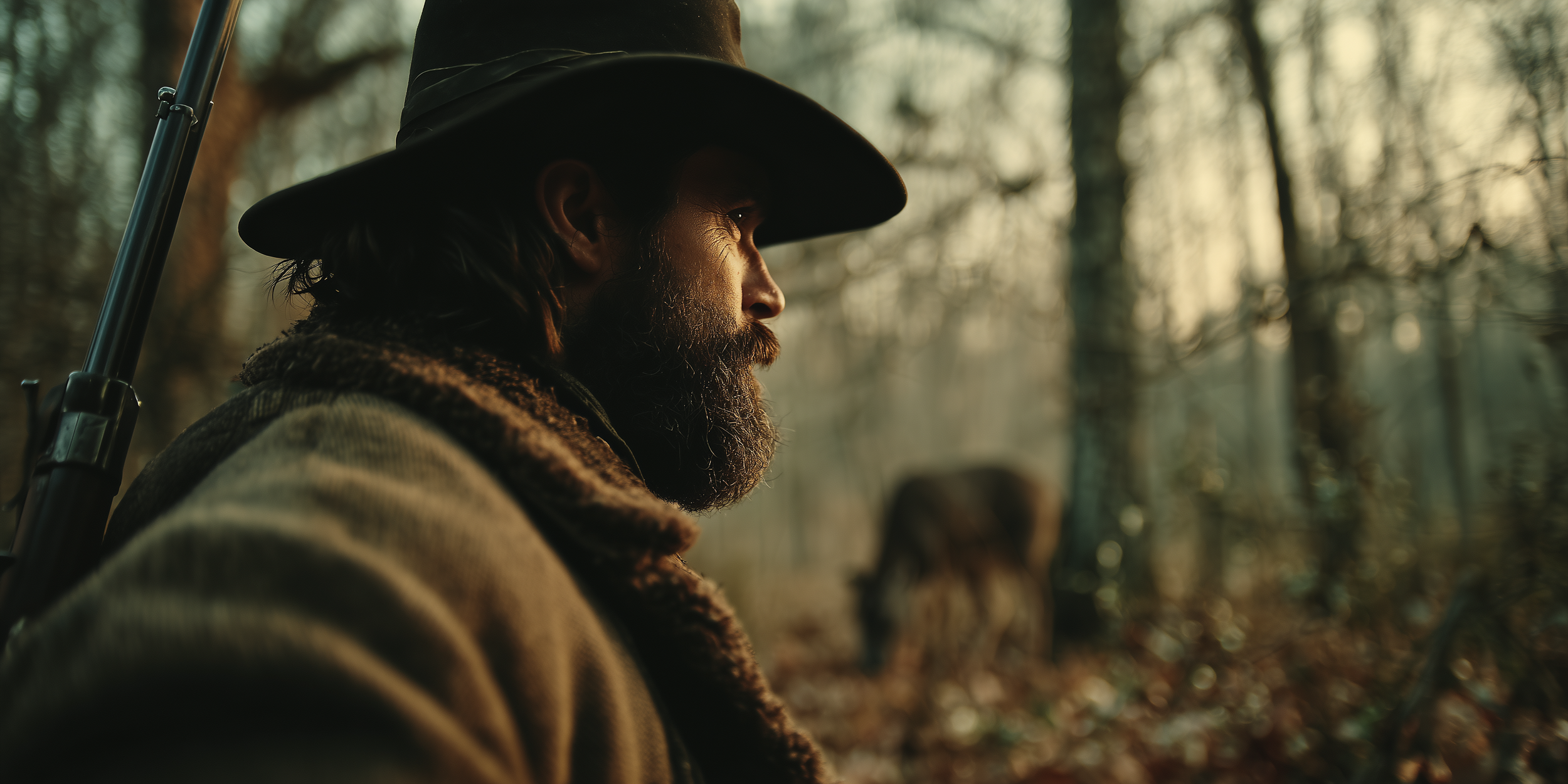
One morning, when Pa comes home without any deer, he sits Laura on his knee and tells her why. He had climbed a tree by the deer lick and waited so long that he fell asleep. When he woke, it was dark, and a great buck with beautiful antlers stood below him. Pa had a perfect shot, but the deer looked so splendid and peaceful that he could not bring himself to pull the trigger.
Then a huge bear came lumbering past, fat from feasting, as big as two bears together. Again Pa had the perfect shot, and again the woods were so still and quiet that he forgot to shoot. He resolved that he would shoot the next game he saw.
But when a doe and her yearling fawn came to the lick together, he could not bring himself to harm them either. So Pa came home without any meat. Laura is glad he did not shoot them, and Mary says they can eat bread and butter.
That night, Pa plays the fiddle while Ma knits by the fire. Laura asks about the days of auld lang syne, and Pa tells her they are the days of a long time ago. As Laura lies in bed, she thinks about how this—Ma and Pa, the firelight, the music—is now. And she is glad, because she knows these cozy, happy moments can never be forgotten.
To keep up with other readers, you can join the Facebook group discussion here.